When you were 15 years old, what did you dream of becoming?
For most of us, that age was filled with ambitions, friendships and plans for the future. But right now, for over 12 million girls every single year, turning 15 doesn’t mean dreaming bigger. It means facing a choice that isn’t theirs to make.
In sub-Saharan Africa, nearly one in three girls is married before adulthood. Their childhoods don’t fade away naturally, they are cut short.
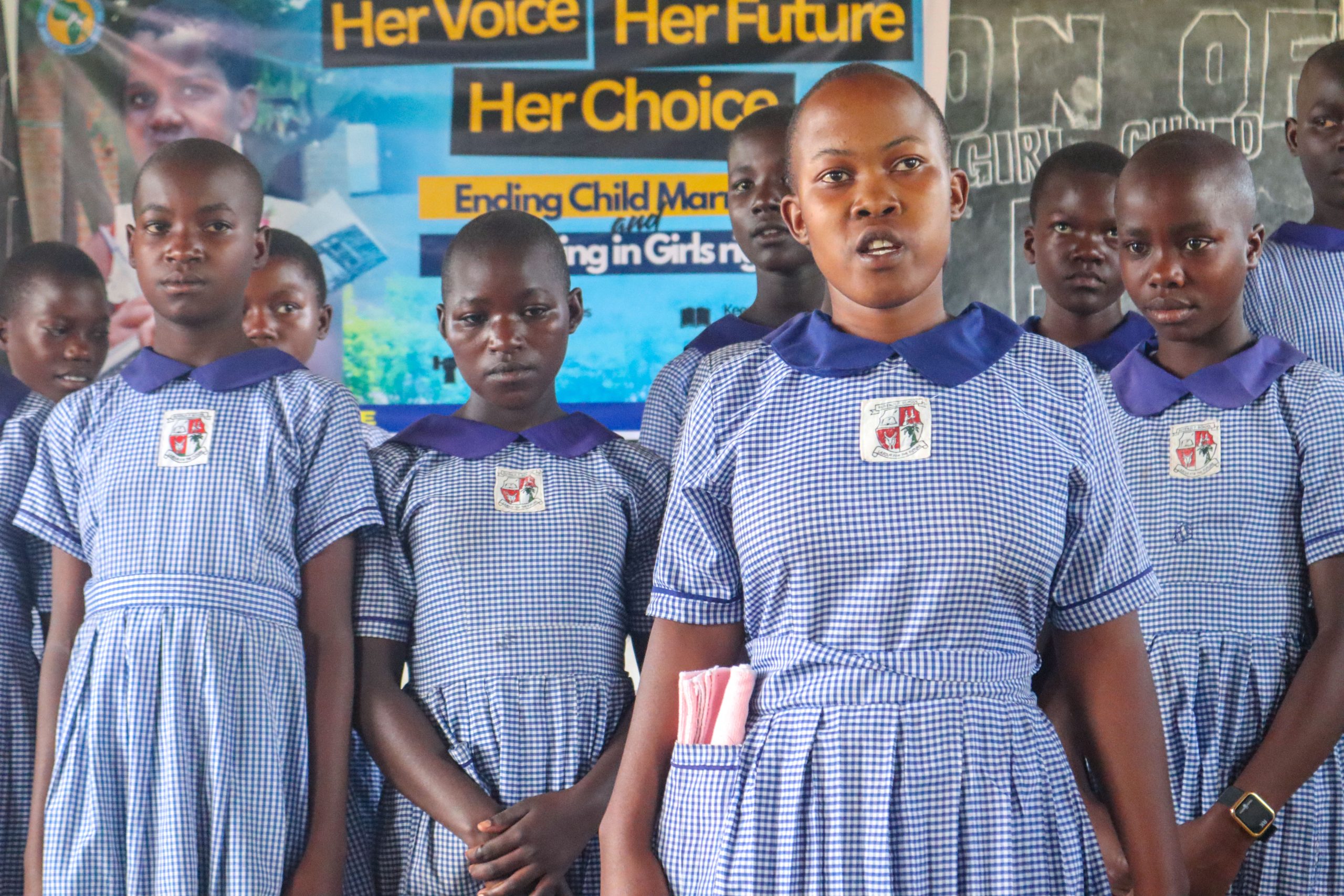
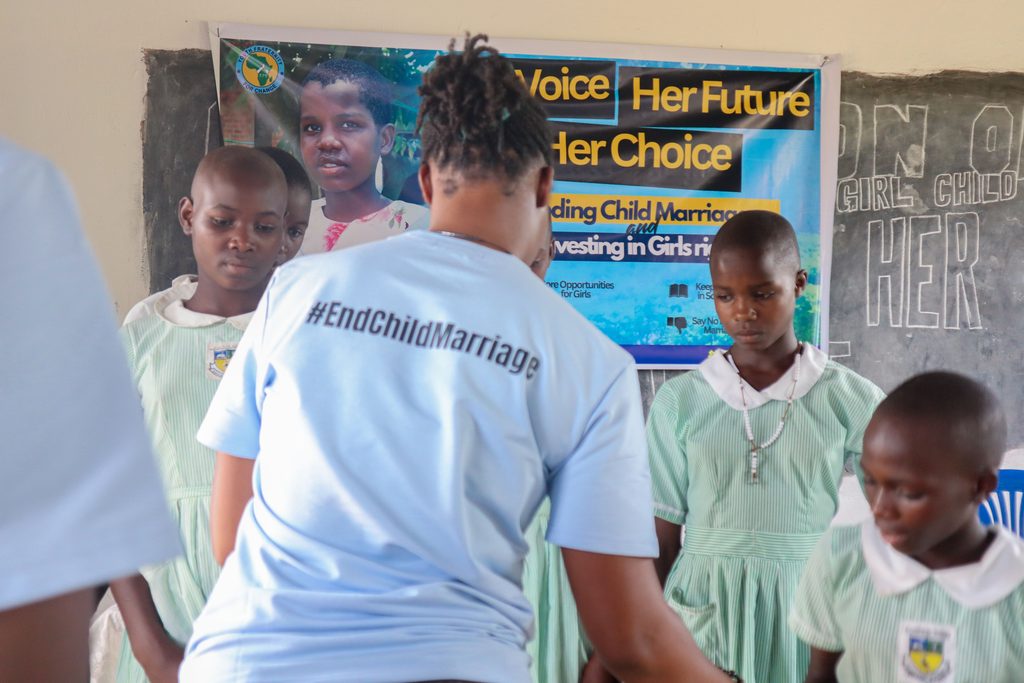
Through out the campaign Her Voice, Her choice, Her future run from September to October 13th in Rubindi, we were asking a simple yet uncomfortable question: What is standing between our girls and their dreams?
At Youth Fraternity for Change (YFC), we believe every girl deserves a childhood, the freedom to learn and the power to define her own future. That is why this year’s International Day of the Girl Child campaign was not just about raising awareness but handing over the microphone and letting the girls themselves lead.
Under the theme “Her Future. Her Voice. Her Choice.”, we put girls exactly where they belong: at the front of the room, as the leaders, storytellers and primary architects of change.
Bringing Girls and Boys into the Conversation
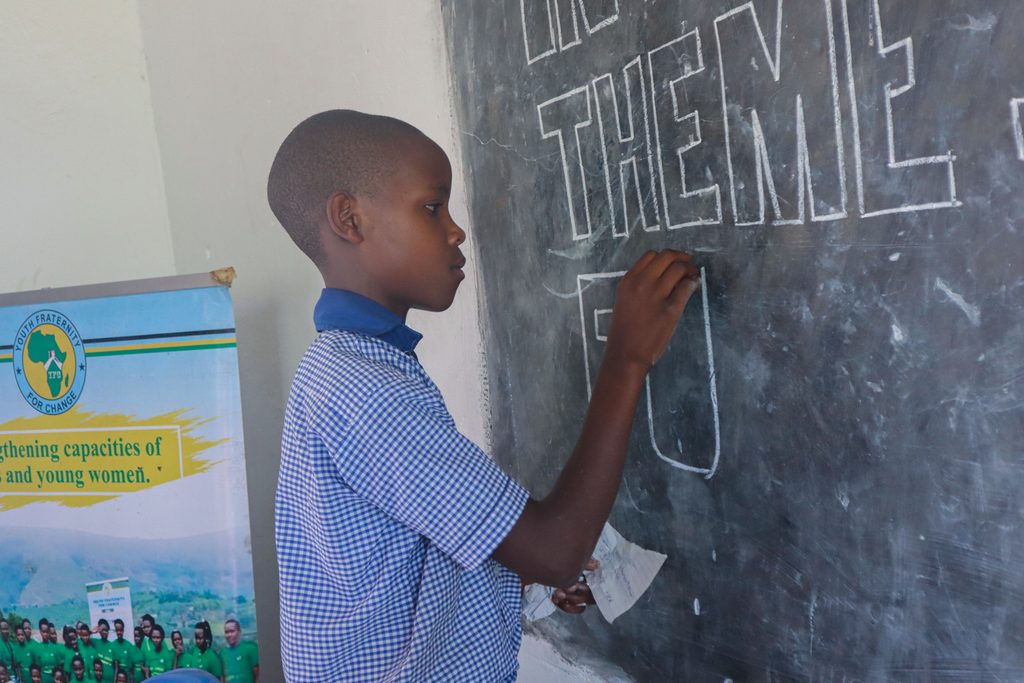
One of the defining elements of the IDG 2026 campaign was the deliberate engagement of both girls and boys.
Girls were given space to engage in conversations about their rights, aspirations and the future they want to build. Their participation reinforced the importance of ensuring that girls are not merely beneficiaries of development programmes but active voices in decisions that affect their lives.
Equally important was the involvement of boys.
Ending child marriage and advancing gender equality cannot be achieved by placing the responsibility on girls alone. Boys and young men have an important role to play in challenging harmful attitudes, questioning discriminatory practices and promoting respectful relationships within their communities.
By engaging both groups, YFC encouraged shared responsibility and demonstrated that gender equality is a collective agenda.
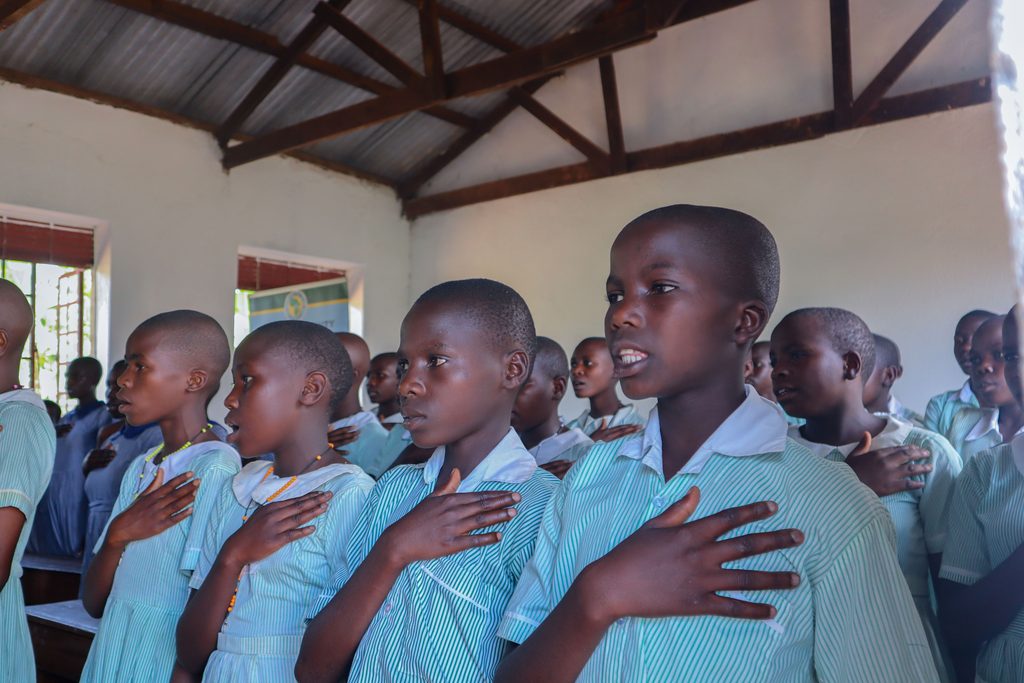
The panel discussions provided an opportunity for honest conversations and diverse perspectives. These engagements helped move the discussion beyond general awareness towards understanding the attitudes, behaviours and community practices that must change.
From Awareness to Sustained Action
The campaign drive culminated in the IDG 2026 celebration. However, the significance of the engagement extended beyond the commemorative activities.
For YFC, the day represented an opportunity to reflect on the progress being made while recognising the work that remains.
Celebrating the girl child is important. However, celebration without action risks leaving the very challenges affecting girls unaddressed.
The conversations reinforced the need to sustain investment in girls’ education, strengthen protection mechanisms and expand opportunities for young people to participate in decisions affecting their communities.
Through its Girl Education Programme, YFC continues to support girls to remain in school, access opportunities, build confidence and pursue their dreams. The campaign complemented this broader commitment by connecting advocacy with the everyday realities that influence girls’ access to education and their ability to realise their potential.
This is the kind of change that requires consistency. It calls for programmes that respond to immediate needs while addressing the underlying barriers that prevent girls from reaching their full potential.
Building Partnerships for Lasting Change
Progress towards gender equality cannot be achieved by one organisation working in isolation. It requires strong partnerships, shared commitment and sustained investment.
Development partners, donors, civil society organisations, community leaders and other stakeholders all have a role in strengthening the systems that protect girls and expand their opportunities.
The IDG 2026 campaign reaffirmed the value of collective action. It demonstrated the importance of creating platforms where young people can participate, communities can reflect and stakeholders can work together towards shared development goals.
For YFC, partnerships are essential to expanding the reach of advocacy initiatives, strengthening education interventions and ensuring that more girls have access to the opportunities they deserve.
Continued collaboration will be critical in translating the conversations generated through the campaign into practical and sustainable interventions.
We recognise that every investment in girls’ education, leadership and protection contributes to a stronger generation and more inclusive communities.
The Work Continues: Her Future Cannot Wait
Although the IDG 2026 campaign came to an end, the responsibility to advance girls’ rights did not.
The campaign reinforced an important truth: girls needed more than encouragement. They needed supportive communities, access to quality education, protection from harmful practices and opportunities to make decisions about their futures.
At Youth Fraternity for Change, the campaign reaffirmed our commitment to empowering young people, advancing gender equality and challenging harmful practices that continued to limit girls’ potential.
But sustaining this progress required more than a campaign. It called for continued investment, stronger partnerships and collective action.
We therefore called upon our development partners, donors, institutions and community stakeholders to join us in turning advocacy into lasting impact. By investing in girls’ education, strengthening community-led protection initiatives and supporting youth-led advocacy, we could create lasting opportunities for girls to learn, lead and thrive.
The campaign may have ended, but the mission remained. Every girl deserves a future shaped by her dreams rather than the limitations imposed on her.
Her Future. Her Voice. Her Choice. The commitment continues.
1 Comment
This is a satisfying read with a clear purpose. I liked that each part of the article seemed to contribute to the overall idea.